

We may earn money or products from the companies mentioned in this post.
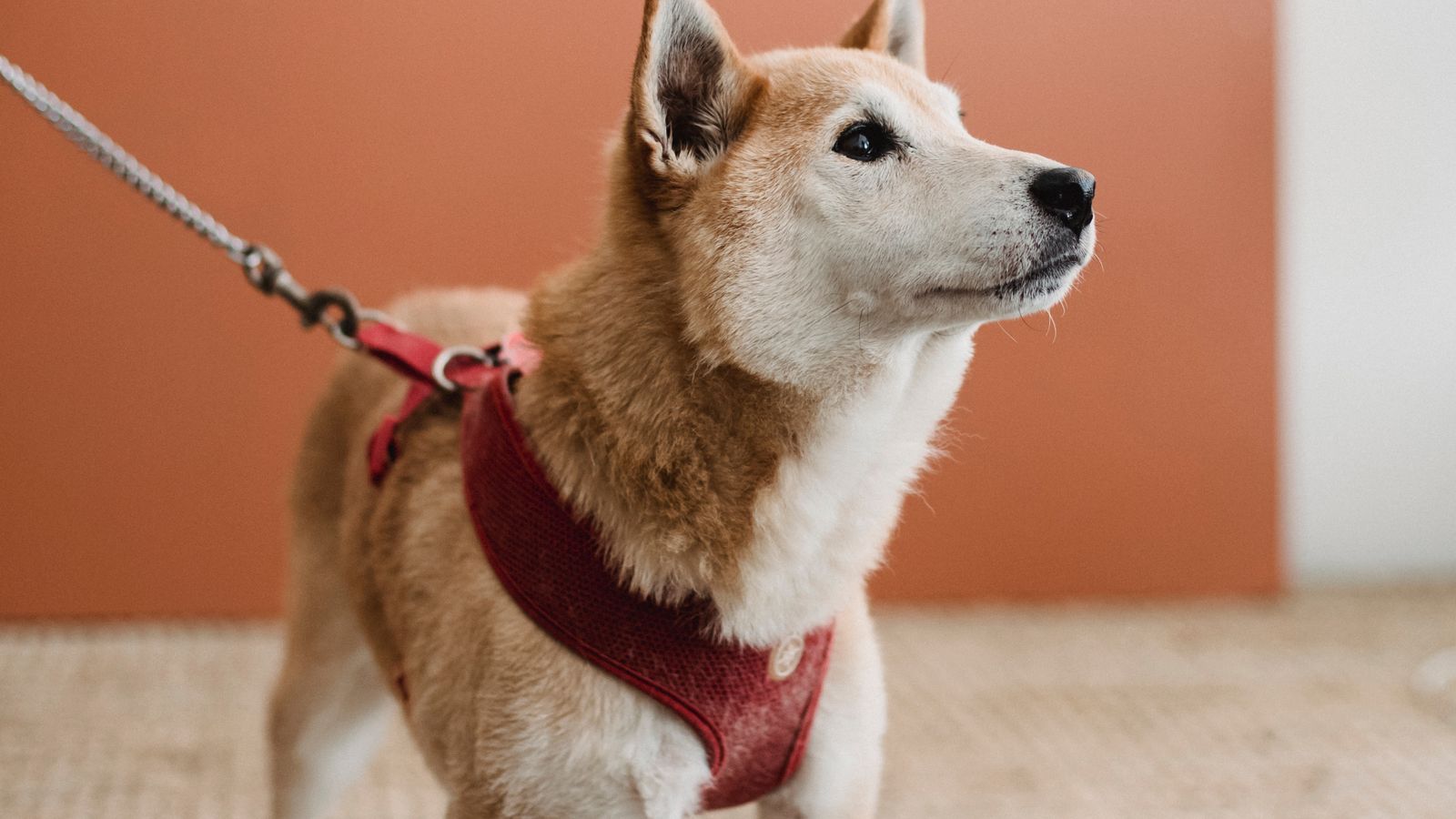
Many puppies treat that first clip-on leash like a strange threat. Some freeze, some chew, and some flop down and refuse to budge.
Affiliate disclosure: This article includes links to an optional paid digital dog-training guide. We may earn a commission if you buy through these links, at no additional cost to you.
We drew on guidance from VCA Animal Hospitals, Battersea, Rover, the American Veterinary Society of Animal Behavior (AVSAB), and UC
Davis.
The quick answer: start indoors and let your puppy set the pace
Begin at home, in a quiet room, with treats your puppy loves. Pair every new step with something good, from seeing the leash to wearing it
for a few seconds.
Move forward only when your puppy stays relaxed at the current step. If they pull away or freeze, go back to the last easy step.
What to set up before the leash goes on
Collar or harness for a young puppy?
A flat collar is the simplest option. A well-fitting harness avoids direct pressure on the neck, but putting one on may need its own practice
first. Whichever you pick, make sure it doesn’t rub, pinch, or slip off.
A light leash and rewards worth working for
A lightweight leash is a sensible start, since a heavy clip can startle a small puppy. Skip retractable leashes for now, as Forthglade’s
puppy advice also recommends.
Use small, soft treats your puppy will happily work for. Tiny pieces let you reward often without filling them up.
A calm, safe practice room
Pick a room with few distractions and nothing your puppy can tangle a leash around. Practice when they’re awake but not wild, such as after a
nap and a potty break.
Five steps from seeing the leash to taking a few steps
- Reward seeing the leash. Let your puppy sniff the leash on the floor, then give a treat. Repeat until they look at it with
interest instead of worry. - Introduce the clip. Touch the clip gently to the collar or harness ring and reward. Some puppies notice the clicking sound,
so pair that with a treat too. - Attach it briefly. Clip the leash on, feed a treat or two, then unclip. Battersea suggests building wearing time
gradually. - Hold it slack. Pick up the end and keep it loose, with a gentle curve hanging down. Reward your puppy for staying
relaxed. - Reward a few voluntary steps. Take one or two steps back, call your puppy cheerfully, and treat when they follow. Never
drag them forward.
Keep each session short and end on an easy success. Always supervise, and never leave a puppy wearing or dragging a leash alone, since it can
snag on furniture or become a chew toy.
Want a structured plan alongside these free leash exercises?
The Good Boy Guide is an optional paid digital 14-day dog-training plan with short reward-based lessons and bonus reference guides. It is not a physical leash, collar, harness, or bag of puppy treats, and it is not required to follow the free steps above.

For new dog owners who prefer a day-by-day routine rather than piecing together separate lessons.
Paid third-party digital product; buying is optional. Training results vary.
What to do when your puppy bites, freezes, or backs away
Your puppy bites or chews the leash
Leash biting often comes from excitement or play, and both Rover and Battersea address it. Calmly pause, offer a toy instead, and reward the
moment the leash leaves their mouth.
If chewing becomes a game, shorten the session and try again when your puppy is calmer. For more ideas, see our help with puppy leash biting.
Your puppy freezes or backs away
A puppy who freezes isn’t being stubborn. They may feel unsure, or the gear may be uncomfortable. First check the fit for rubbing or
tightness. Then make the task easier with shorter wear time, less distance, or a return to rewarding the unclipped leash.
Don’t tug. AVSAB supports reward-based training and opposes leash corrections, which are jerks or pops on the leash meant to stop a
behavior.
Signs it’s time to stop and get help
End the session if your puppy keeps trying to escape, trembles, or refuses treats they normally love. For ongoing fear or any hint of pain,
talk with your veterinarian or a qualified trainer.
Signs your puppy is ready for a first outdoor walk
There’s no official test, but these practical checks suggest your puppy is ready for the outdoors:
- They accept the leash being clipped on without moving away.
- They stay reasonably relaxed while wearing it.
- They follow you for several steps on a slack leash by choice.
UC Davis advises avoiding areas that might be contaminated and limiting contact to known healthy, vaccinated dogs.
Ask your puppy’s veterinarian which places are safe based on vaccine status and local disease risk. Forthglade suggests waiting one to two
weeks after the vaccine course ends, but your vet’s advice should decide.
Questions owners ask about leash prep
Can I start leash training before my puppy finishes vaccinations?
Yes, indoor leash practice can begin before vaccinations are complete. AVSAB supports safe early socialization, though that isn’t permission
to visit every sidewalk or dog park.
Our guide on when to start leash training covers age and timing in
more detail.
How long does it take a puppy to get used to a leash?
It varies, and no source sets a universal deadline. Some puppies relax within a few sessions, while others need much longer.
Track progress by your puppy’s behavior, not the calendar.
Is a slow, reward-based leash introduction worth the effort?
For most new owners preparing for a first walk, yes. Its biggest strength is that your puppy learns the leash predicts good things, which
makes stepping outside far less stressful.
The main drawback is patience, because you can’t force a schedule. Puppies that stay fearful may need professional support beyond these
steps.
Veterinary and animal welfare groups consistently back this gentle method over corrections, so we recommend it.
Need help organizing your puppy’s next training lessons?
The optional Good Boy Guide digital program includes a 14-day training routine and supporting digital resources. You can continue using the free leash exercises in this article without purchasing anything.

Affiliate link to a paid digital dog-training program; no physical leash or treats are included.